Optimal Seasons for Driveway Sealing
Driveway sealings are most effective when applied during periods of optimal weather conditions. Proper timing ensures the sealant adheres well and provides lasting protection against weather-related damage. The ideal time for sealing typically depends on temperature, humidity, and drying conditions.
Spring offers moderate temperatures and increased sunlight, making it a favorable time for driveway sealings. It helps protect the driveway from spring rains and the upcoming summer heat.
Summer provides warm weather with low humidity, ideal for sealant application. Avoid sealing during peak heat hours to prevent quick drying that can affect adhesion.
Fall is suitable due to cooler temperatures and lower humidity. Sealing before winter helps prevent damage from snow and ice.
Winter is generally unsuitable due to cold temperatures, snow, and increased moisture, which hinder proper curing and adhesion of sealant.
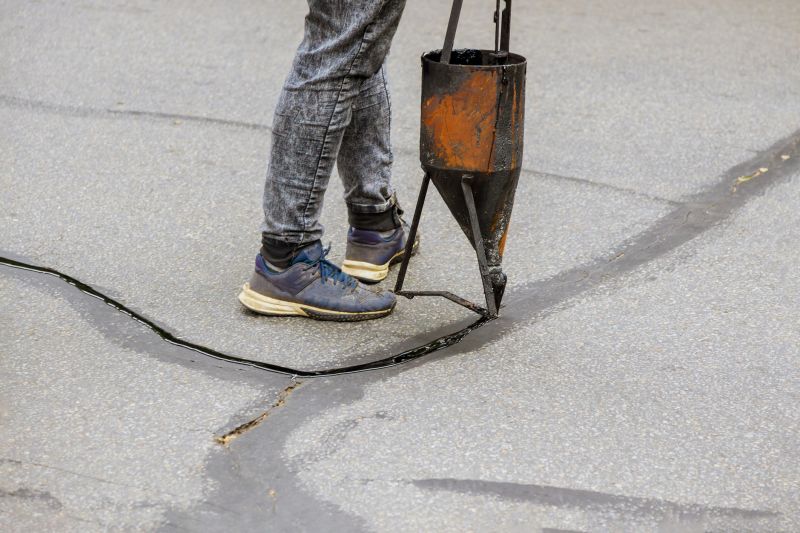
Ways to make Driveway Sealings work in tight or awkward layouts.
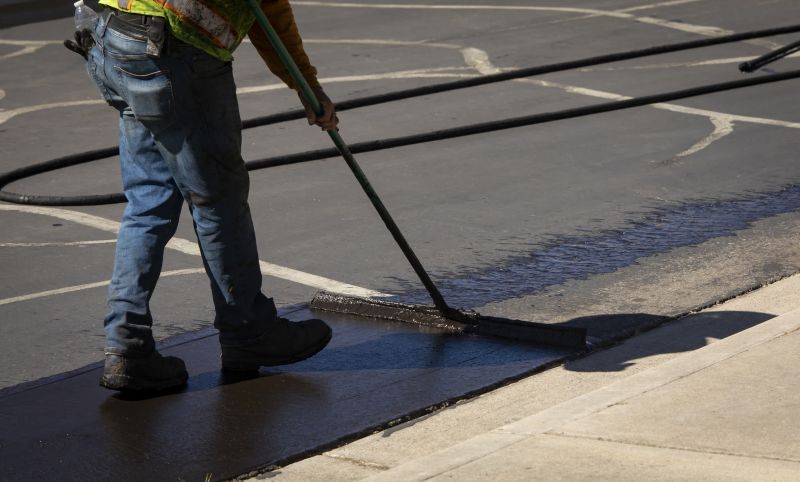
Popular materials for Driveway Sealings and why they hold up over time.
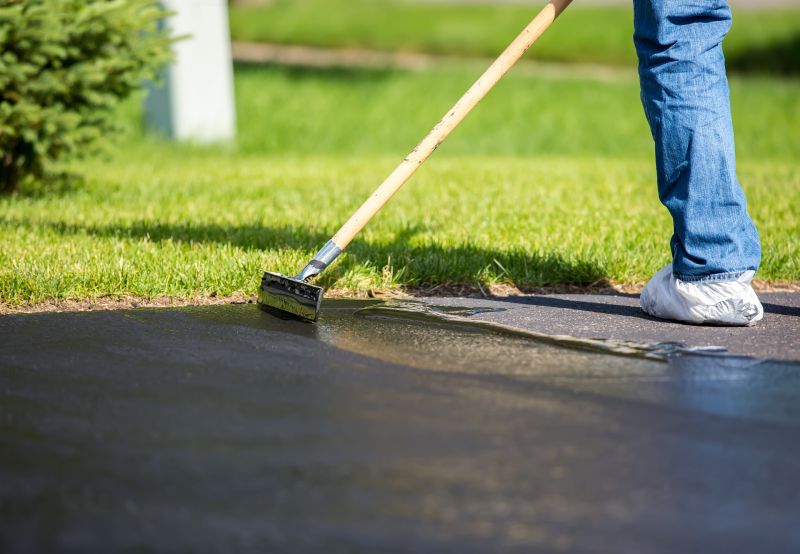
Simple add-ons that improve Driveway Sealings without blowing the budget.
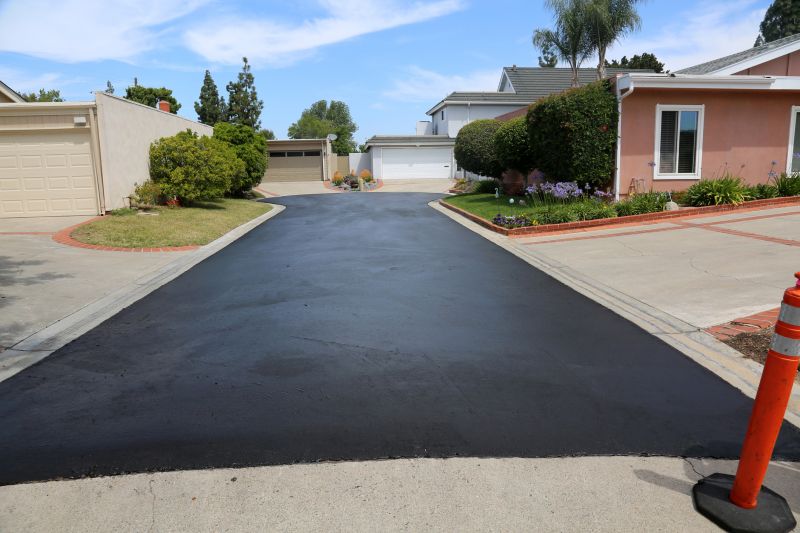
High-end options that actually feel worth it for Driveway Sealings.
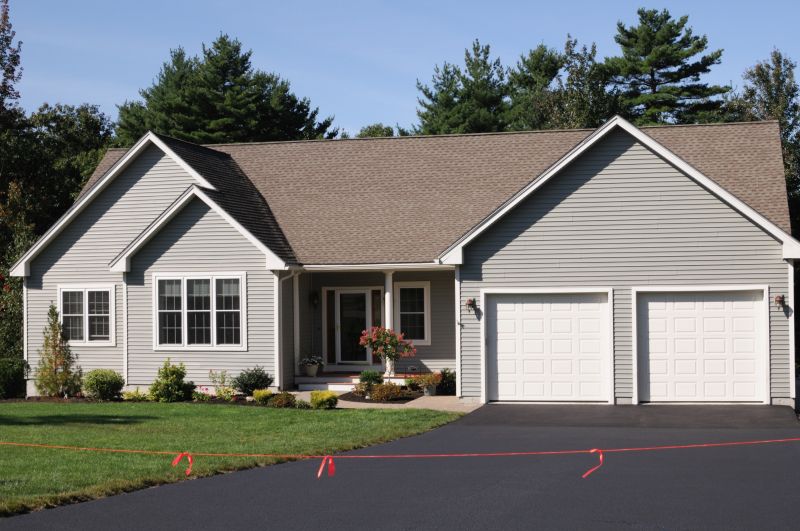
Finishes and colors that play nicely with Driveway Sealings.
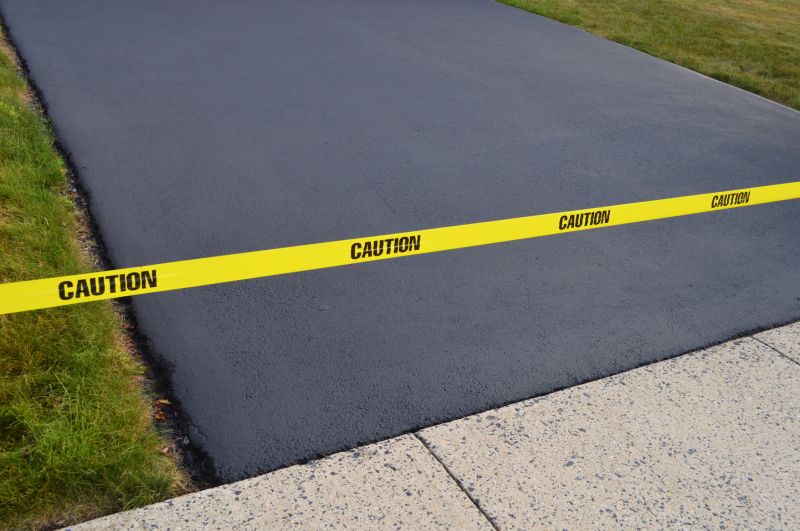
Little measurements that prevent headaches on Driveway Sealings day.
Driveway sealings serve as a protective barrier, extending the lifespan of asphalt surfaces by preventing water penetration, reducing damage from UV rays, and minimizing the effects of oil and chemical spills. Regular sealing can significantly delay the need for costly repairs and resurfacing. Statistics indicate that properly sealed driveways can last up to 25% longer than unsealed ones, saving on maintenance costs over time.
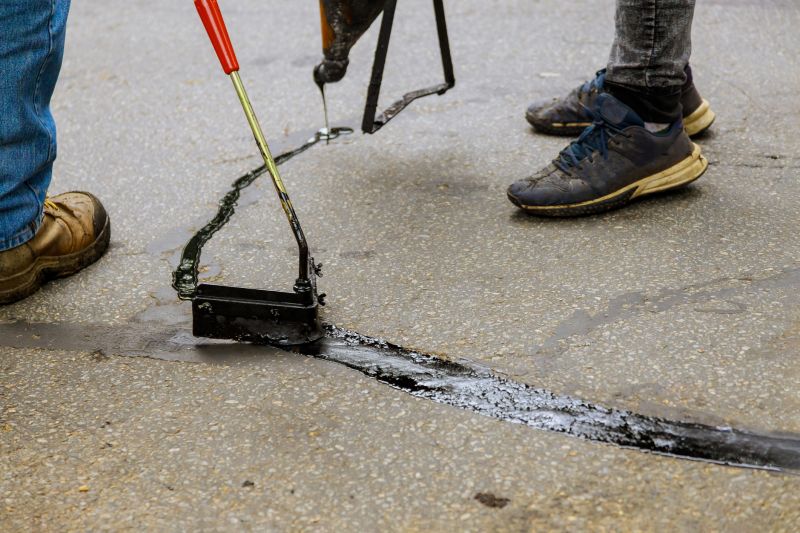
A 60-second routine that keeps Driveway Sealings looking new.
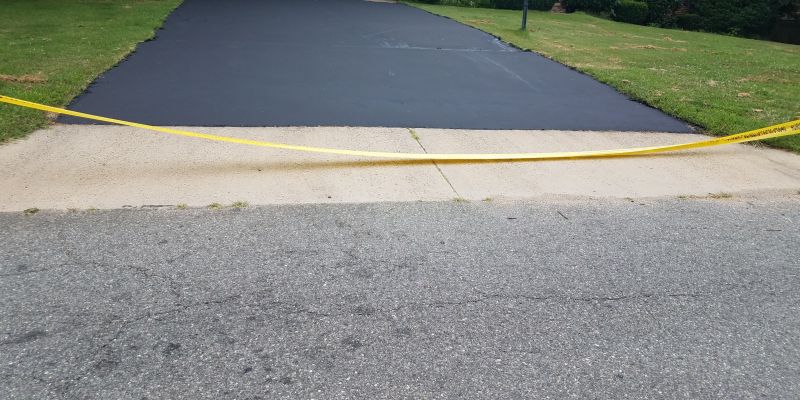
A frequent mistake in Driveway Sealings and how to dodge it.
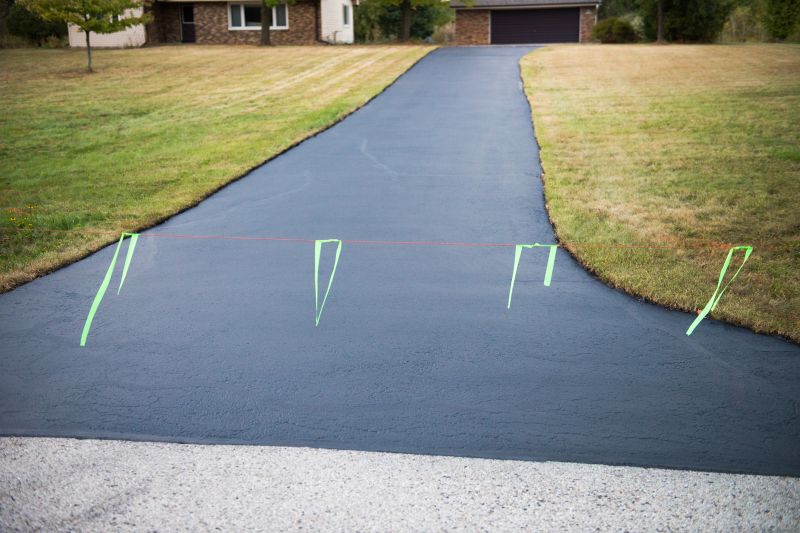
Small tweaks to make Driveway Sealings safer and easier to use.
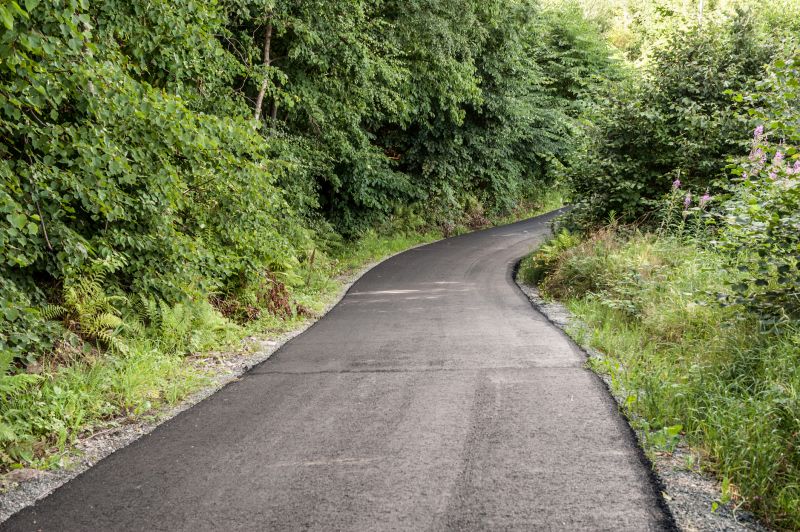
Lower-waste or water-saving choices for Driveway Sealings.
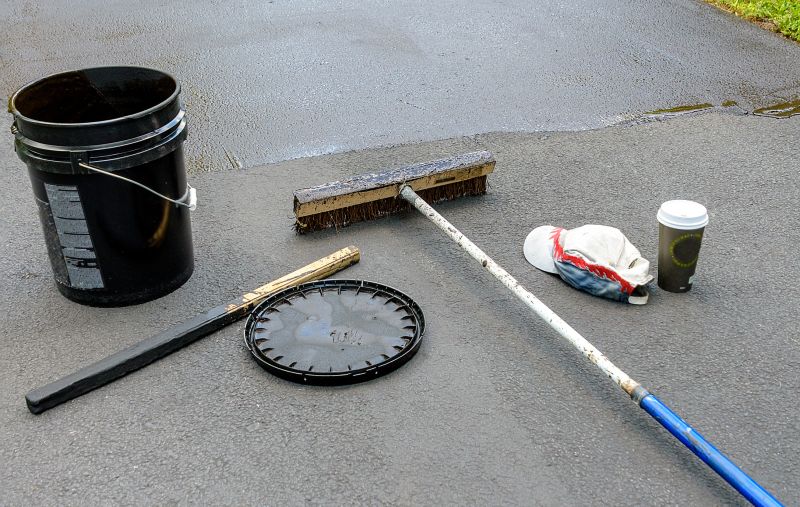
The short, realistic tool list for quality Driveway Sealings.
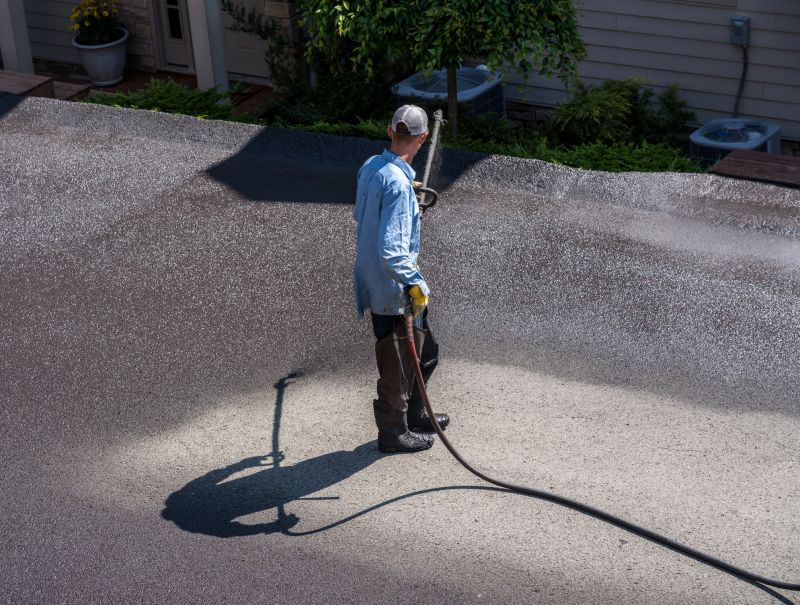
Rough timing from prep to clean-up for Driveway Sealings.

Quick checks and paperwork to keep after Driveway Sealings.
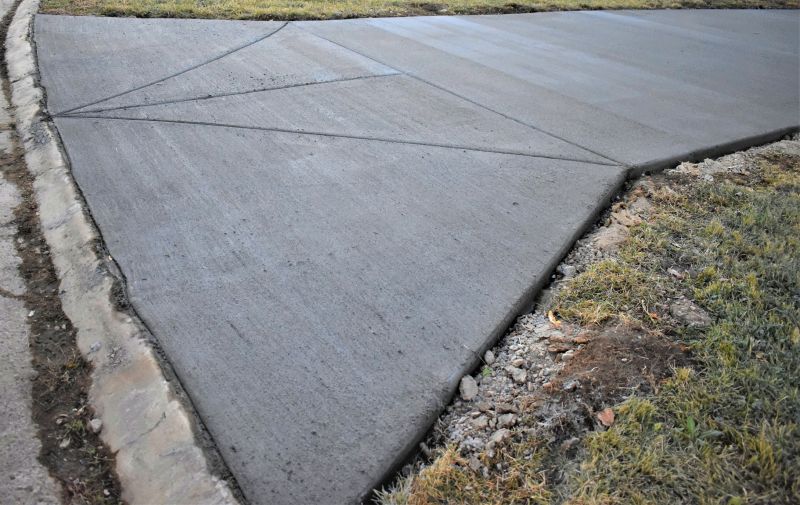
Examples that show the impact a good Driveway Sealings can make.
| Season | Recommended Conditions |
|---|---|
| Spring | Temperatures between 50-70°F, dry days |
| Summer | Temperatures between 70-85°F, low humidity |
| Fall | Temperatures between 50-70°F, dry weather |
| Winter | Not recommended due to cold and moisture |
| Ideal Time Frame | Late spring to early fall |
Timing driveway sealings appropriately enhances durability and effectiveness. Ensuring the weather conditions are suitable allows the sealant to cure properly, providing a long-lasting protective layer. Consulting local weather patterns and avoiding sealing during rain or extreme temperatures is essential for optimal results.
Interested in scheduling driveway sealings? Fill out the contact form to receive more information and assistance tailored to specific needs.