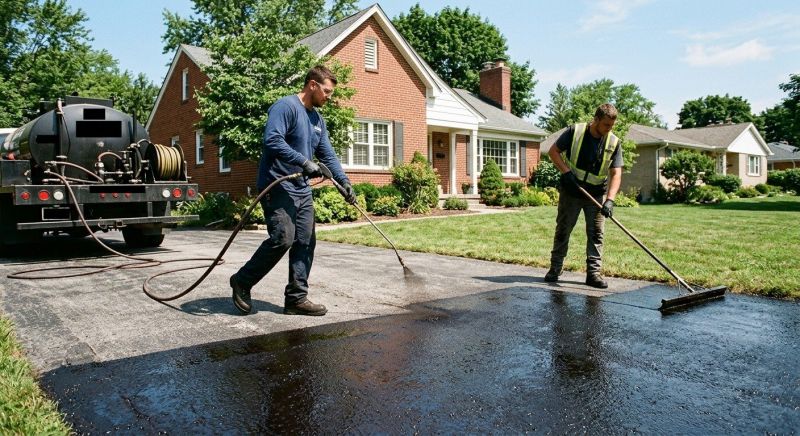
Hot Tar Driveway Sealing in Denver, CO
Hot tar driveway sealing is a service that involves applying a layer of hot asphalt-based material to protect and enhance the surface of a driveway. This process is commonly used on asphalt driveways to shield them from water penetration, UV damage, and general wear and tear caused by weather and traffic. Projects typically include sealing residential driveways, parking areas, and other paved surfaces that require a durable, protective coating to extend their lifespan and improve curb appeal.
Homeowners interested in hot tar driveway sealing should understand that the service helps prevent cracks, potholes, and surface deterioration over time. It is important to consider the current condition of the driveway before requesting sealing, as severely damaged surfaces may require repairs prior to sealing. Proper surface preparation and timing are also key factors in achieving the best results, ensuring the driveway remains protected and visually appealing for years to come.
Many property owners in Denver, CO look into Hot Tar Driveway Sealing for repairs, replacements, upgrades, and appearance-related improvements.
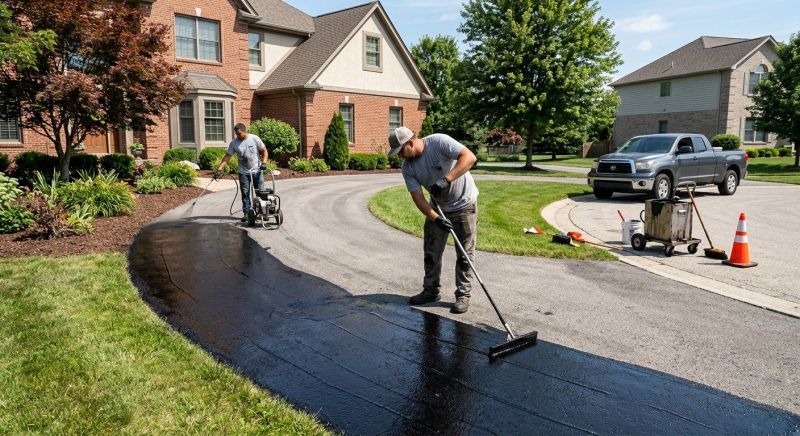
Benefits Of Hot Tar Sealing
Hot tar driveway sealing helps protect surfaces from weather damage and extends their lifespan.
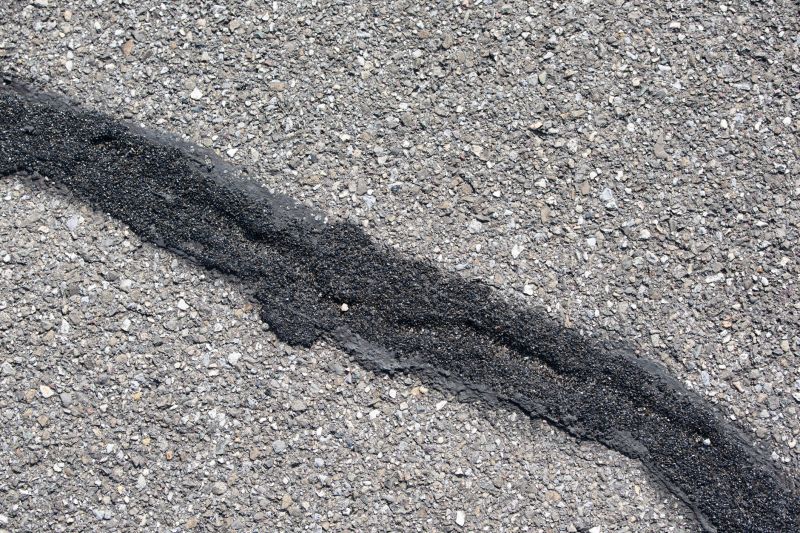
Common Applications
This service is often used to maintain driveways, parking areas, and residential pathways in denver and nearby areas.
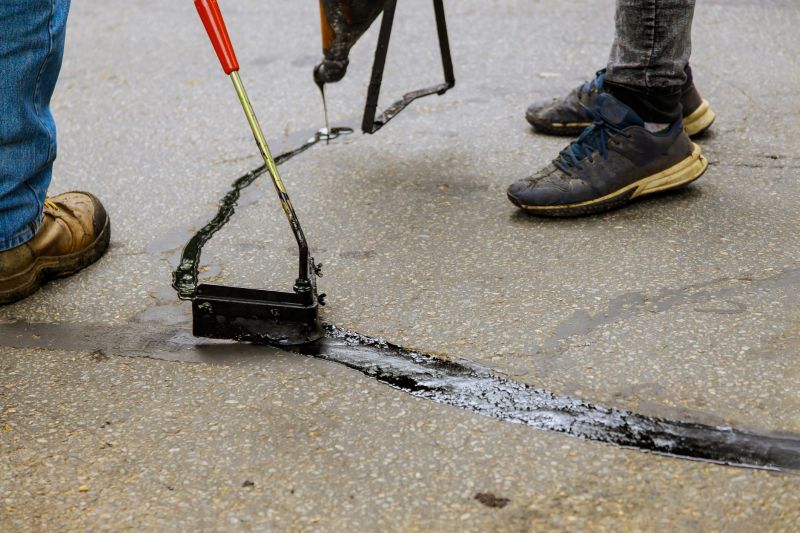
Maintenance Tips
Regular sealing with hot tar can prevent cracks and deterioration, keeping driveways looking their best over time.
Hot Tar Driveway Sealing in Denver, CO

Hot tar driveway sealing is a service that involves applying a layer of hot asphalt-based material to protect and enhance the surface of a driveway. This process is commonly used on asphalt driveways to shield them from water penetration, UV damage, and general wear and tear caused by weather and traffic. Projects typically include sealing residential driveways, parking areas, and other paved surfaces that require a durable, protective coating to extend their lifespan and improve curb appeal.
Homeowners interested in hot tar driveway sealing should understand that the service helps prevent cracks, potholes, and surface deterioration over time. It is important to consider the current condition of the driveway before requesting sealing, as severely damaged surfaces may require repairs prior to sealing. Proper surface preparation and timing are also key factors in achieving the best results, ensuring the driveway remains protected and visually appealing for years to come.
Many property owners in Denver, CO look into Hot Tar Driveway Sealing for repairs, replacements, upgrades, and appearance-related improvements.
Common Hot Tar Driveway Sealing Jobs
Hot Tar Driveway Sealing - Protects asphalt surfaces from water damage and UV rays.
Driveway Maintenance - Extends the lifespan of asphalt by preventing cracks and deterioration.
Asphalt Sealcoating - Provides a durable barrier that resists oil, gasoline, and other stains.
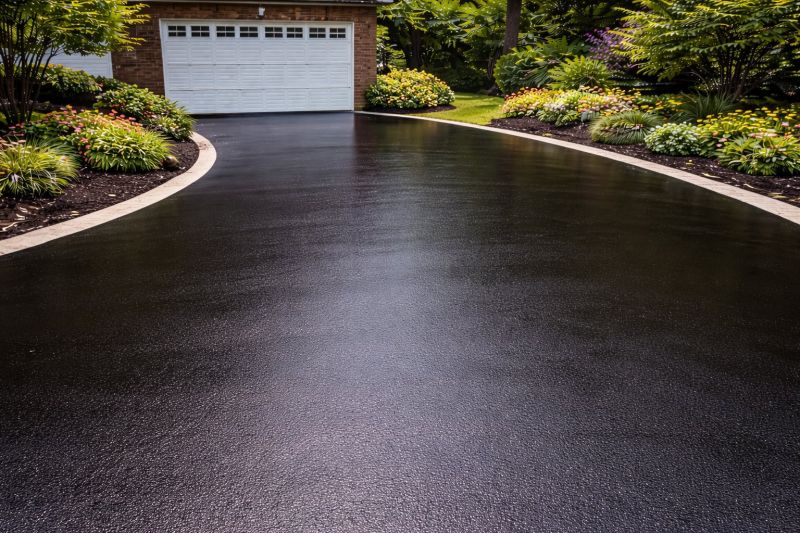
Surface Restoration - Enhances curb appeal with a smooth, black finish that looks fresh.
Preventive Care - Helps avoid costly repairs by sealing out moisture and debris.
Weather Protection - Shields driveways from harsh weather conditions common in Denver and nearby areas.
Hot Tar Driveway Sealing Questions
What is hot tar driveway sealing? It is a process that applies a hot asphalt-based coating to protect and extend the life of a driveway surface.
Why should homeowners consider driveway sealing? Sealing helps prevent cracks, water damage, and surface deterioration, maintaining the driveway’s appearance and durability.
What types of driveways benefit from hot tar sealing? Asphalt driveways are the primary type that benefit from this sealing method, especially those showing signs of wear.
How often should driveway sealing be performed? Typically, sealing is recommended every 2 to 3 years to maintain protection and appearance.
Request Hot Tar Driveway Sealing in Denver, CO
Use the quote form on this page to share the basics of your project and request more information for the type of work you need.