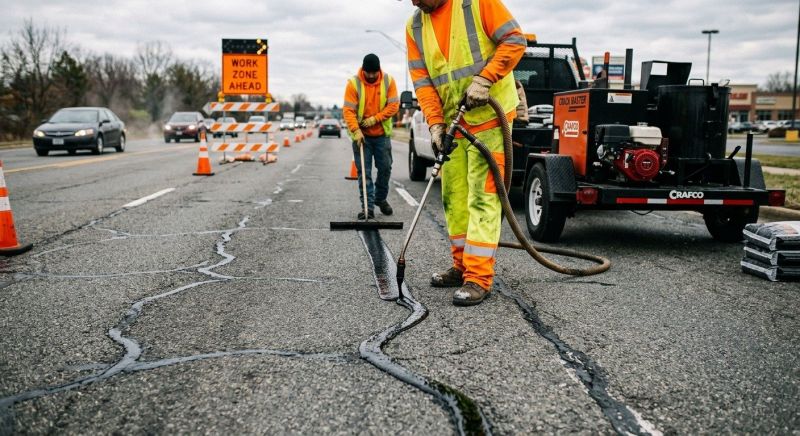
Asphalt Crack Sealing in Denver, CO
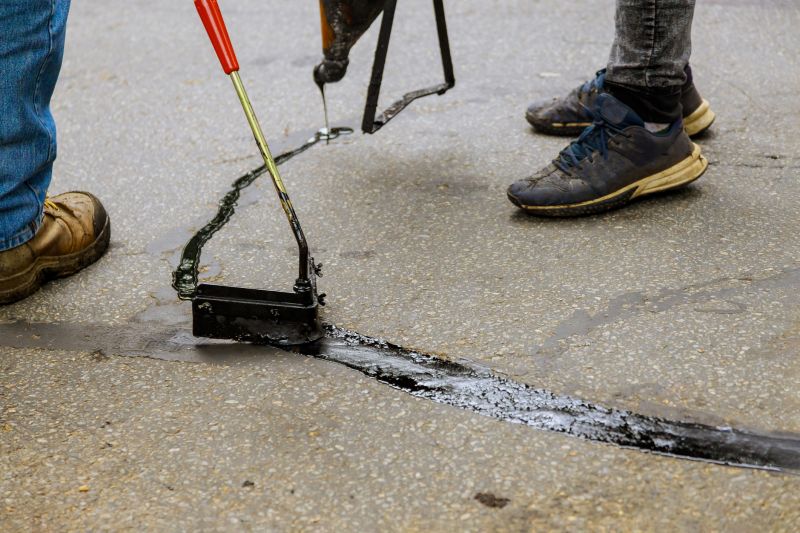
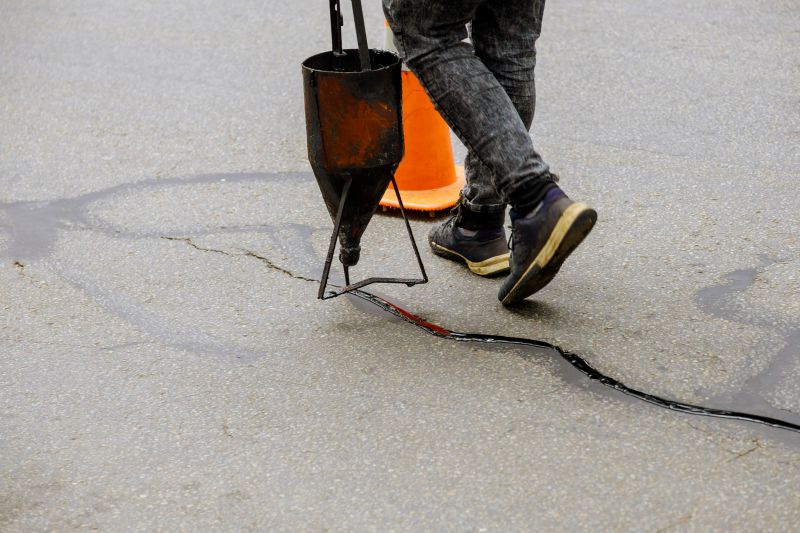
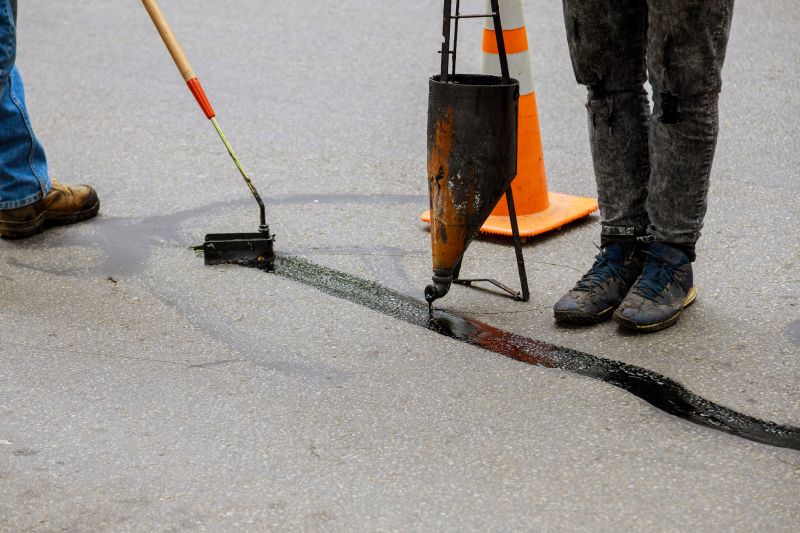
Asphalt crack sealing is a maintenance process that involves filling and sealing cracks in asphalt surfaces to prevent water infiltration and further deterioration. This service is commonly requested for driveways, parking lots, and residential pathways to extend the lifespan of the asphalt and maintain a smooth, safe surface. Property owners typically want to understand which types of cracks are suitable for sealing, how the process helps prevent more extensive repairs, and what preparation may be needed before the work begins.
Cracks that are clean, dry, and free of debris are ideal for sealing, and the service is most effective on cracks that are less than a quarter-inch wide. Homeowners often inquire about the frequency of sealing, how it impacts the appearance of their driveway, and whether it can be combined with other asphalt maintenance services. Proper crack sealing can help preserve the integrity of the asphalt, reduce the risk of water damage, and improve the overall appearance of the property.
Many property owners in Denver, CO look into Asphalt Crack Sealing for repairs, replacements, upgrades, and appearance-related improvements.
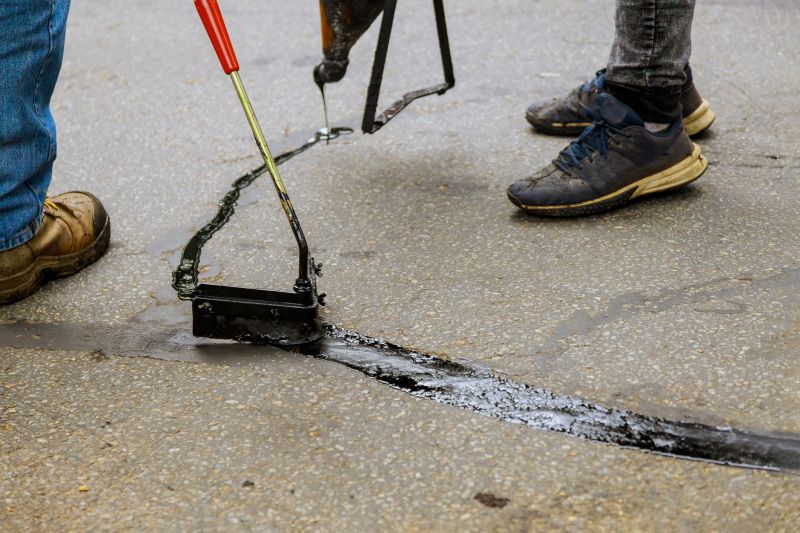
Maintaining Pavement Integrity
Sealing cracks helps prevent water intrusion and further pavement deterioration.
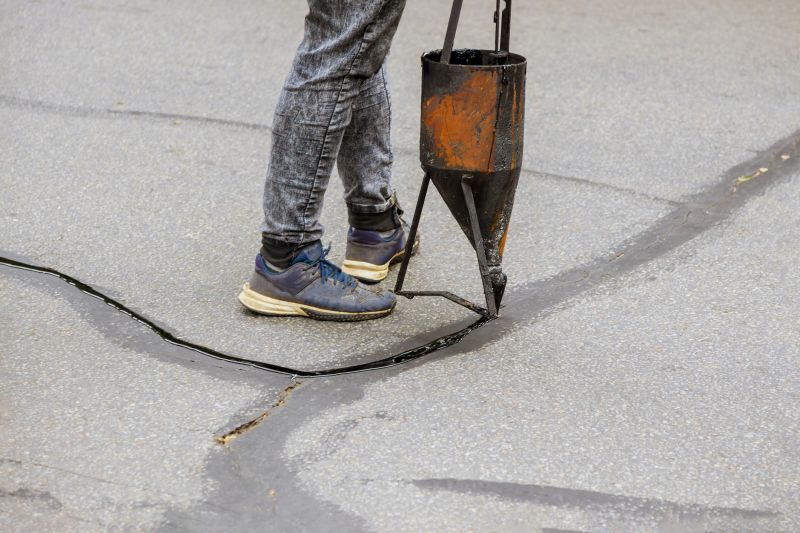
Extending Surface Lifespan
Proper crack sealing can significantly prolong the usability of asphalt surfaces in denver.
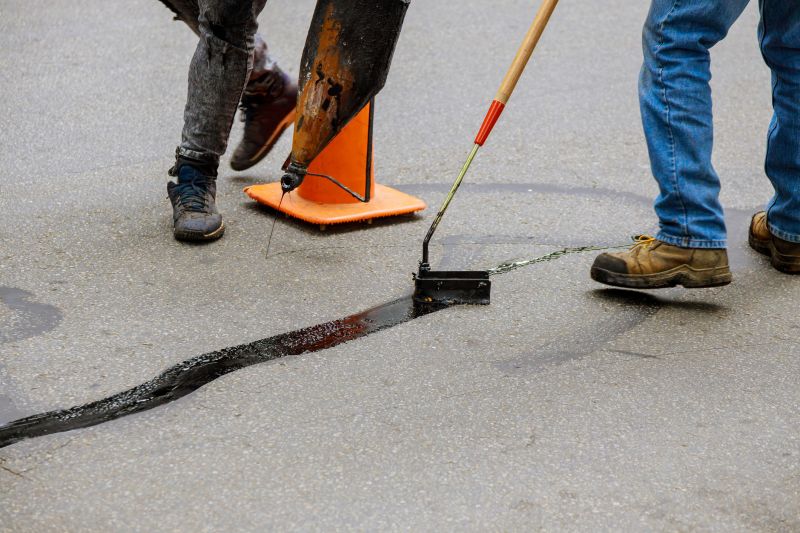
Enhancing Property Value
A well-maintained asphalt surface improves curb appeal and overall property appearance.
Asphalt Crack Sealing in Denver, CO

Asphalt crack sealing is a maintenance process that involves filling and sealing cracks in asphalt surfaces to prevent water infiltration and further deterioration. This service is commonly requested for driveways, parking lots, and residential pathways to extend the lifespan of the asphalt and maintain a smooth, safe surface. Property owners typically want to understand which types of cracks are suitable for sealing, how the process helps prevent more extensive repairs, and what preparation may be needed before the work begins.
Cracks that are clean, dry, and free of debris are ideal for sealing, and the service is most effective on cracks that are less than a quarter-inch wide. Homeowners often inquire about the frequency of sealing, how it impacts the appearance of their driveway, and whether it can be combined with other asphalt maintenance services. Proper crack sealing can help preserve the integrity of the asphalt, reduce the risk of water damage, and improve the overall appearance of the property.
Many property owners in Denver, CO look into Asphalt Crack Sealing for repairs, replacements, upgrades, and appearance-related improvements.
Common Asphalt Crack Sealing Jobs
Residential driveways - sealing cracks helps prevent further deterioration and extends pavement life.
Parking lots - crack sealing maintains a smooth surface and improves safety for customers and visitors.
Sidewalks - addressing cracks reduces trip hazards and preserves curb appeal.
Commercial properties - timely crack sealing protects investments and maintains property value.
Garages and pathways - sealing cracks prevents water infiltration and freeze-thaw damage.
Repaired pavements - crack sealing helps avoid costly repairs by addressing issues early.
Asphalt Crack Sealing Questions
What is asphalt crack sealing? Asphalt crack sealing involves filling and sealing cracks in asphalt surfaces to prevent water infiltration and further damage.
Why is crack sealing important? Sealing cracks helps extend the lifespan of asphalt surfaces by preventing deterioration caused by moisture and debris.
What types of cracks are suitable for sealing? Common cracks suitable for sealing include transverse, longitudinal, and block cracks that are clean and dry.
When should crack sealing be performed? Crack sealing is most effective when cracks are active and before they expand into larger potholes or more extensive damage.
Request Asphalt Crack Sealing in Denver, CO
Use the quote form on this page to share the basics of your project and request more information for the type of work you need.